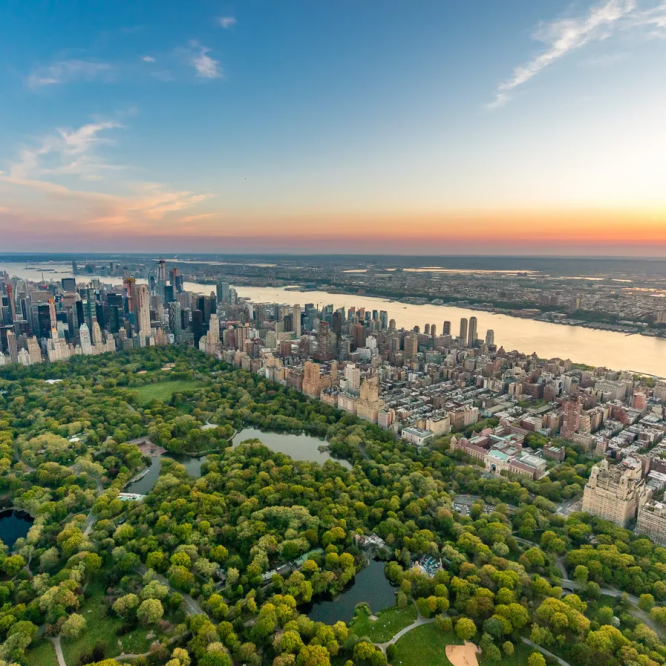
Visa to the USA. Visa to America Of course, you don’t have any invitations from relatives, no friends / acquaintances in the USA and cannot be, you don’t know anyone there. But if you have a close relative living there, like your mother, sister, and so on, they will know this, so it’s better not to lie here. Purpose of your trip: tourism! It is important to answer correctly and not to raise doubts in the consul. The answer should be casual, with little detail. “I want to see Times Square, take a walk in central park in NY, and it would be great to sunbathe on the beach in Miami.”
Keep in mind that the more details you give them, the more questions they may have. Your goal is to have a visa to travel to sales, canyons, parks and waterfalls. Your goals are travel. This is what they want to hear and what you have to prove to them. What to take for an interview for a visa to America: Mandatory documents: a statement of cash flows on your account for the last 3 months a statement from the bank about the balance of funds on your deposit account certificate from work indicating your salary Visa to the USA.
Visa to America Additional documents : certificate of ownership of housing land title deed Title of vehicle in your possession marriage certificate | childbirth Close relative’s disability document However, experience shows that the more waste paper you have with you, the more suspicious you look. After all, if you are just a tourist, then why should you prove it so desperately? So the main thing here is not to overdo it! It is important to have a certificate of salary / or from a bank account, and a document on real estate can also come in handy. If you have an apartment, you are less likely to be a potential immigrant. Do not forget what you wrote in your profile, as they may ask you for information from there, and the answers must match.
They often ask who you are traveling with. It will be nice to have a couple of friends who already have a visa, traveled as tourists and returned home. Sometimes they even check the names right in front of you. Friends with a good reputation are a big plus. What NOT to take: No hotel or aircraft armor. In case of refusal, the money will not be returned to you, but the reservation will remain. In addition, this is another reason showing that you really want to go, because you have planned everything without even having a visa in hand.